I was able to get access to Meta's Muse in the UK using a VPN to New York. I've been experimenting with it recently. Its top use is shopping, so I thought I'd try it there.
Buying a car is a big expense, and I wanted to get it right without spending weeks on it, so I turned to AI. I wanted a repeatable way to narrow the search and work out what I would be comfortable paying. I wanted to be relatively confident I was getting a good deal.
I focused on larger-battery electric cars: the CUPRA Born V2 or V3, Volkswagen ID.3 and ID.4, Polestar 2, and Hyundai IONIQ 5. My initial filters were model year 2021 or newer, at least 73 kWh usable battery capacity, less than 65,000 miles, no write-off or crash-damage history, and an asking price no higher than £24,000. That gave me a defined group of cars to compare and then I could pick a budget.
Using Meta Muse to collect listings
I used Meta Muse to scrape the search results from many sites and turn the adverts into comparable information. For each listing I wanted the model and variant, registration year, asking price, mileage, battery capacity, and whether the car was still available. I then checked the extracted details and kept the working list in a structured dataset. I made sure that Muse had a rigid listings.json file to pass between myself and it, and had it refresh every day for about a month.
Annoyingly at the time, fuel rose to over £2 a litre, sending used car prices upward. I kept price observations over time and I also excluded cars that did not fit the criteria or that I had ruled out after looking more closely.
Picking the car
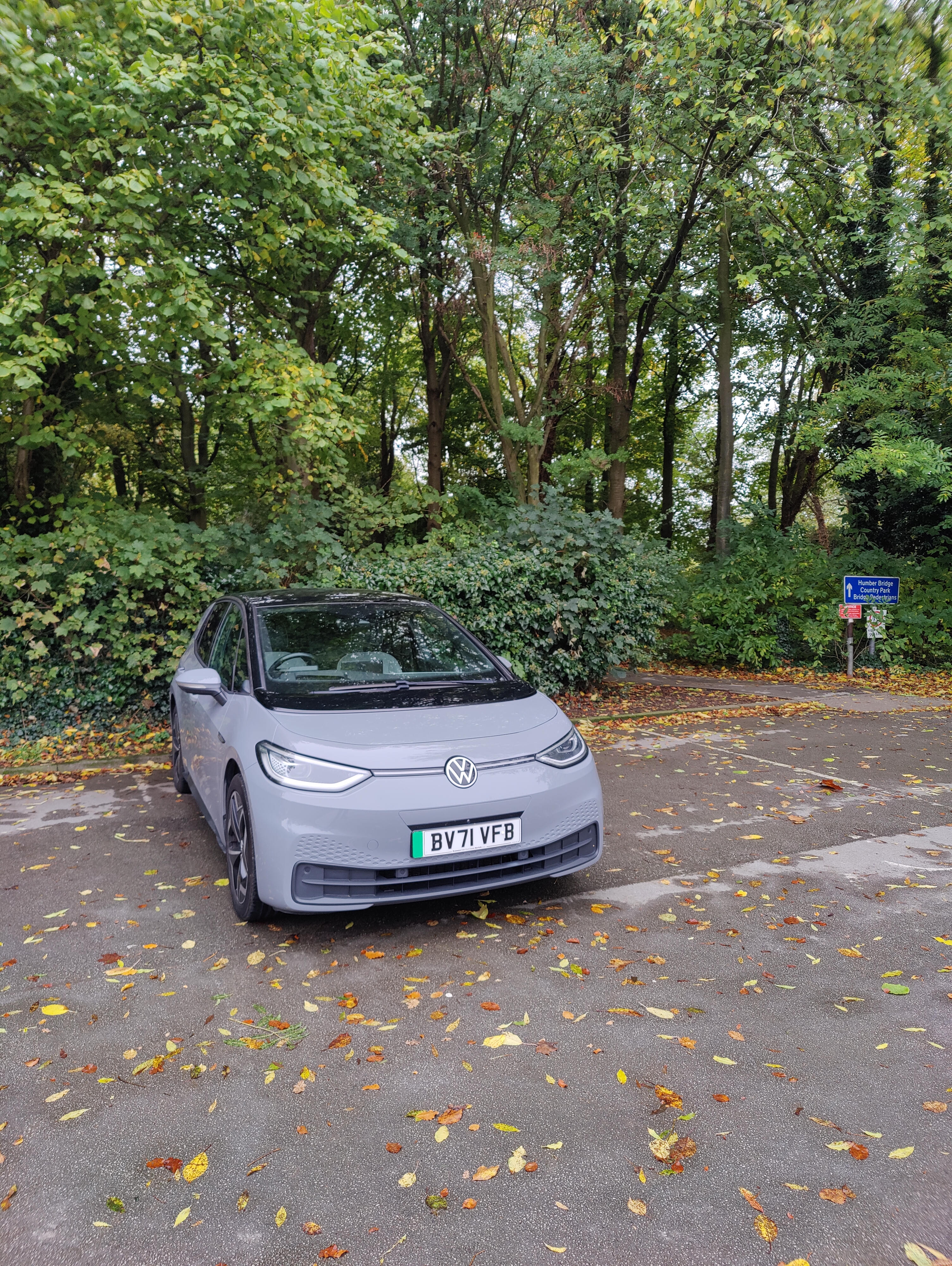
I wasn't sure exactly what car I wanted, but I was pretty convinced it would be either a Cupra Born or a VW ID.3. The price was right and the market showed a few close by. I viewed both and settled on the ID.3.
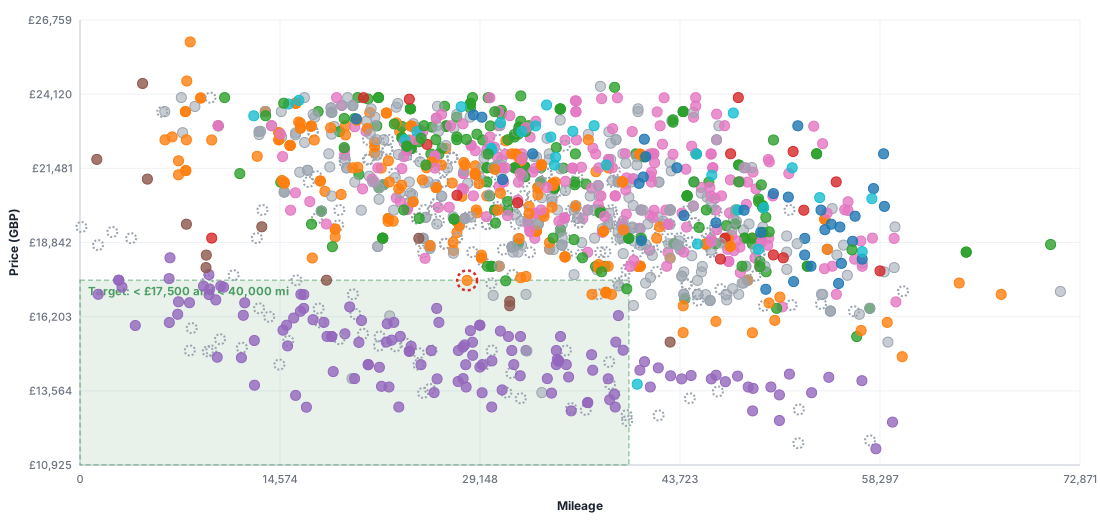
I treated less than £17,500 and less than 40,000 miles as the sweet spot to aim for. The wider search limits let me see the market around that target.
I had Muse also record when I first saw a car, whether it was still listed at the next check, and any price changes.
AI helps with the research
The useful part of Meta Muse was taking tedious collection work and making it easier to compare a lot of adverts consistently. I think some of these features should really be built into Autotrader (and others). When I worked the chart and followed some of the leads, it was clear to me that lower-priced cars moved quicker, and generally it was a lot easier having a very complete picture of the online market.
I think this is the future: scheduling tasks was very easy, and Muse is very capable. I think, however, that platforms will block this technology, because frankly it's too powerful for the consumer.